
Remembering Pine In the Kitchen
This solstice, bring a little ancient wisdom into your home.

We do not normally think of the solstice as a time for foraging. However, there is one wild spice that is not only widely available at this time, but is already deeply associated with the season. It’s also almost unknown in the modern kitchen: Pine.
People are so often utterly surprised when I teach them that pine needles are edible. We think of their fragrant greenery as decoration and scent, not as flavor or medicine. Yet, this ever-present herb is a steadfast beacon to nature’s wisdom and abundance. Not only do pines (and other edible conifers) contain useful amounts of Vitamin C, research has shown their Vitamin C content is notably higher in the winter months–right when we need the vitamin most (source).
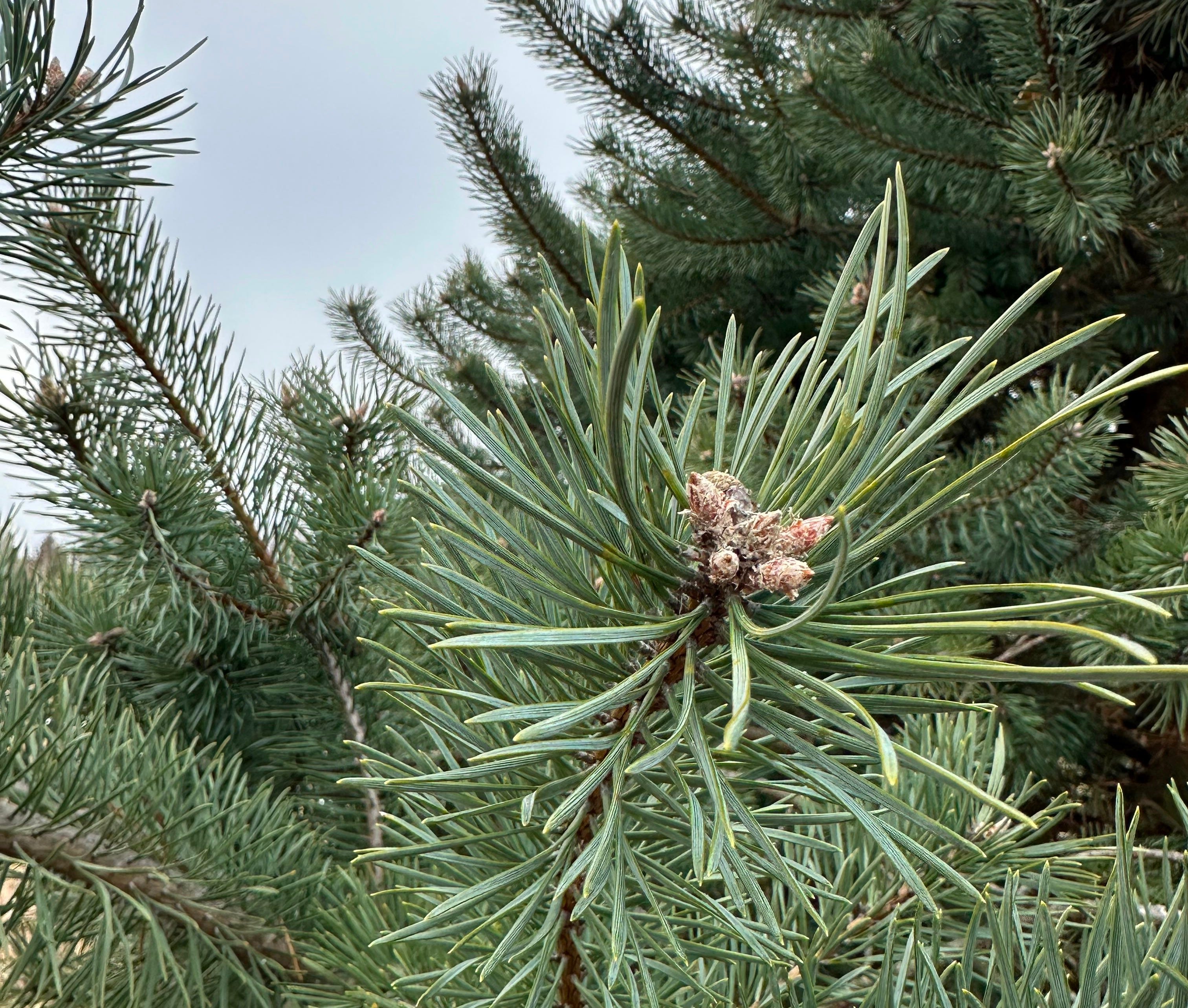
While widely forgotten in modern times, this fact has been used widely by peoples worldwide to stave off scurvy. Pine needle drinks have been used historically and remain fairly known across much of northern Asia. In North America, there is a famous case of French explorers dying of scurvy while ice-bound in what is now Canada, while Iroquois people of the area staved off the disease with a drink called anedda. Historians believe anedda is likely a tea made from white cedar (Thuja occidentalis), another edible conifer. In many versions of the story, the Iroquois save the sailors, this account by the Canadian Museum of History suggests they may have actually resisted helping the expedition, as Jaques Cartier had already strained his relationship with them by claiming native territory as French.
A worthy flavor
The ease at which we can access fresh fruits and vegetables year round has made scurvy largely a disease of history. It would be a mistake, however, to consider pine as a survival food rendered unnecessary by modern global supply chains. Pine has a delightful flavor, enjoyable and worthy of use in its own right.
It is, in a word, pine-y. It’s not overpowering, though. Pine’s flavor is surprisingly delicate and well balanced, slightly tart but mainly herbal. I often start my youth foraging classes with a sample of foraged wild teas, and pine is often one of the better liked herbs.
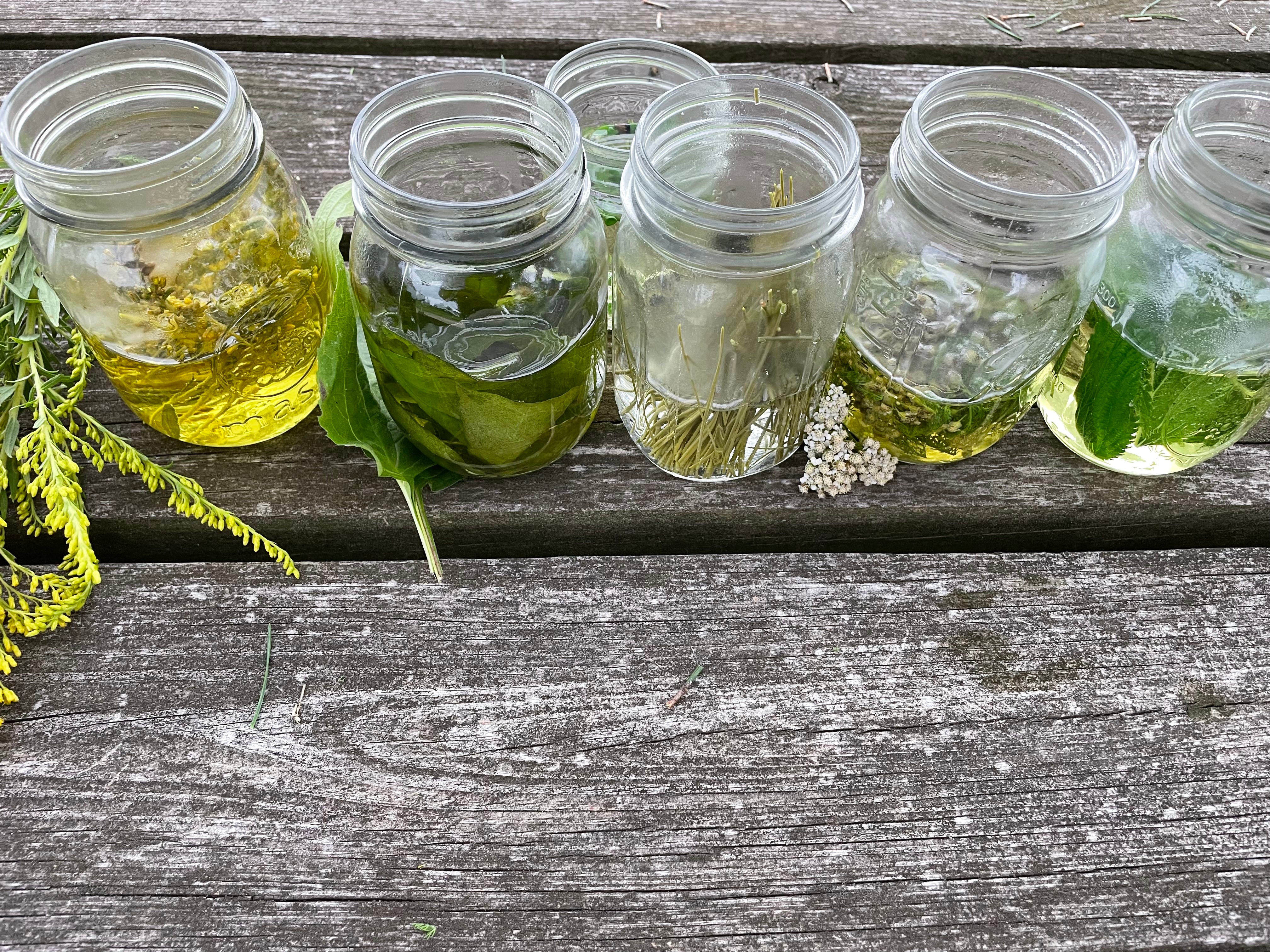
While other edible conifers are excellent seasoning wild game or even desserts, where pine shines best is in drinks. There is the classic hot water infusion (ie, pine needle tea). Simply take a handful of fresh, clean pine needles and steep or lightly simmer them in hot water. Enjoy the rich fragrance and pleasantly piney taste alongside the modest vitamin C boost.
Fermented drinks are also popular. You can make natural sodas by simply sealing fresh pine needles, water, and a bit of sugar together and waiting a few days. Naturally effervescent as well as probiotic, these are a wonderful alternative to commercial sodas. When I was searching for references, I found several accounts of pine beer, apparently made by adding pine into already fermented beer and allowing it to infuse and ferment further. Allegedly, this was a great antidote to scurvy amongst sailors. It’s certainly an intriguing sounding beverage!
My favorite pine drink, however, starts with a basic simple syrup. Add soda water for a wonderful sprite-esque drink. Leave as-is, or add a little gin for a nice boozy spritzer. Using honey as the sweetener adds a pleasant note of complexity to the flavor without overpowering the pine itself. Ginger is also a lovely complement. It’s also, like all simple syrups, incredibly easy to make. Simply start with a generous handful (⅔ to 1 cup or so) of fresh, clean pine needles. In a sauce pan, combine the pine, an ounce of sliced gingerroot, 2 cups of honey, and 2 cups of water. Simmer for about 10 minutes, strain, and enjoy!

I hope those of you living in colder climes will consider adding pine into your winter flavor repertoire. What better way could we honor the power of the solstice than by remembering the joint wisdom of ancient plant allies, and the ancestors who recognized them?
Safety Note: While most conifers are edible, pine or not, there is one conifer that is dangerously toxic. The common yew, Taxus baccata, is a popular landscape shrub native to southern England. While pine has round and generally long needles, yew has short, flat needles. They also have red, berry like fruit. A portion of that fruit is actually edible, but all other plant parts are very toxic.
Ooh I might have to try this recipe!
Awesome! Thank you so much for posting the recipe! We have two pine trees in our front yard and I am going to try this.